
Preparing Scotland Exercising Guidance
The guidance sets out the factors involved in the exercise process and incorporates a set of templates that can be

The guidance sets out the factors involved in the exercise process and incorporates a set of templates that can be
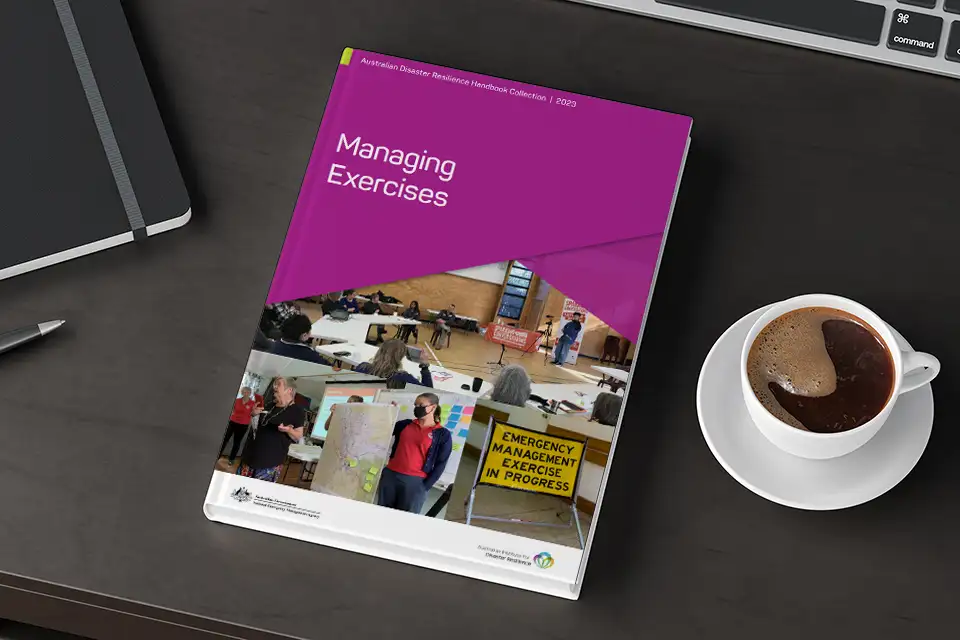
The Managing Exercises Handbook (2023) from the Australian Institute for Disaster Resilience provides foundational guidance and is intended to be
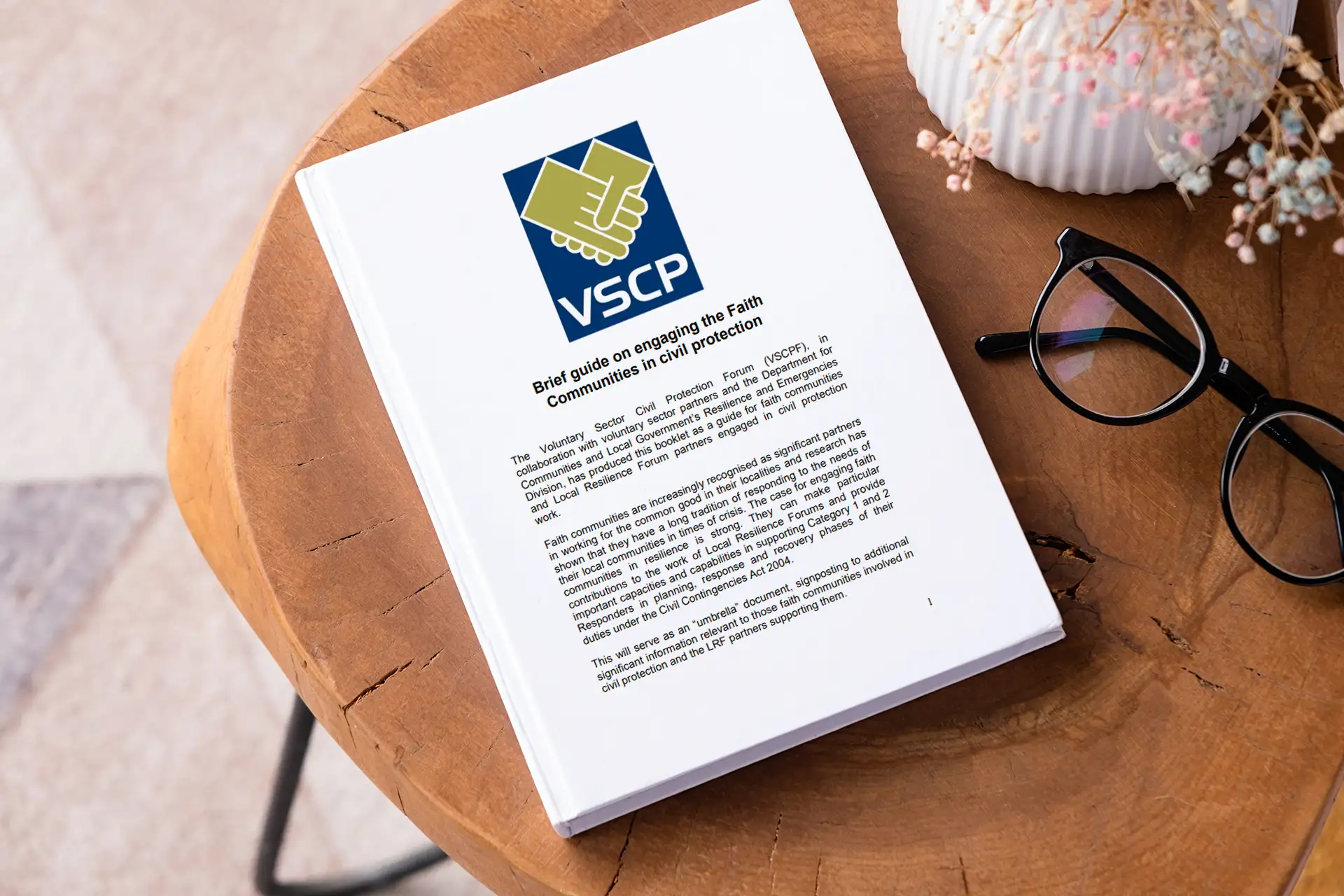
This booklet has been produced by the Voluntary Sector Civil Protection Forum (VSCPF), in collaboration with voluntary sector partners and
The Lessons Management Best Practice Guidance (2024) has been written to inform, encourage, and equip senior leaders, central government departments,
Red Teaming involves the independent application of a range of structured, creative and critical thinking techniques to assist the end

National Occupational Standards (NOS) for Resilience and Emergencies The UK Resilience Academy (UKRA), in partnership with the Workforce Development Trust
The Exercising Best Practice Guidance (2024) provides good and leading practice in exercising to support UK Government departments, agencies, Arms-Length
This guidance has been written to help responders to develop flexible plans for evacuation and shelter that can be used
Drawing on best practices across the public sector, the Government Communication Service (GCS) have created a package of practical tools
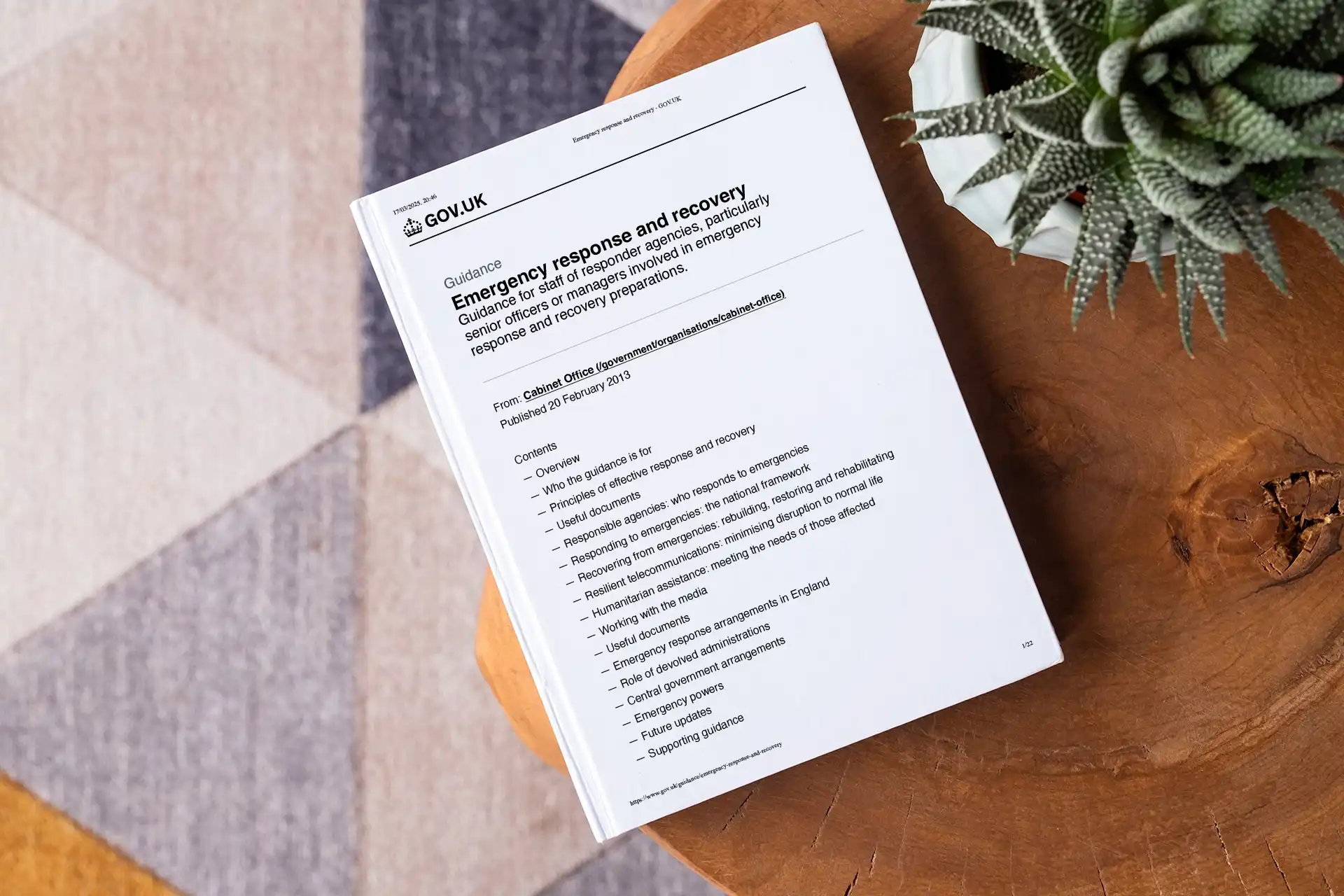
The Emergency response and recovery guidance aims to establish good practice based on lessons identified from responding to and recovering