

Learn
Organisational resilience
Organisational resilience is the ability of organisations, infrastructure, and communities to anticipate, prepare for, respond to, adapt, and thrive amidst disruption and evolving conditions. It enables them to continue delivering critical services, safeguarding people and assets, and achieving strategic objectives — not just in times of crisis, but sustainably over the long term.
It is not a single plan or function, but a dynamic, organisation-wide capability built on leadership, strong governance, effective risk management, and a culture that values continuous learning and adaptability.
The British Standards Institution (BSI) is the national standards body of the UK. BS 65000:2022 is a British Standard Code of Practice for organisational resilience.
It provides guidance on achieving enhanced resilience by integrating various functions and capabilities, including risk management, business continuity, and security. The BSI defines organisational resilience as:
“The ability of an organisation to anticipate, prepare for, respond to, and adapt to incremental change and sudden disruptions in order to survive and prosper.”
As well as securing better outcomes during disruptions, there is substantial evidence that highly resilient organisations can also greatly benefit during periods of stability.
The BSI Code of Practice on Organisational Resilience (BS 65000:2022) describes how they are able to:
- adapt to avoid harm or loss and exploit opportunities during change
- lower impacts when disruption does occur
- demonstrate faster recovery
- reduce likelihood of significant disruption
- protect reputation
- have stronger recovery
It serves as a guiding framework rather than a compliance standard, making it practical for organisations seeking to embed resilience into business-as-usual operations.
Building resilience aligned with national priorities
The UK Government Resilience Framework and the National Risk Register underpin organisational resilience by providing a structured, risk-informed approach to preparedness, response, and long-term adaptation. Helping organisations to identify vulnerabilities, build capabilities to manage shocks, and strengthen relationships across sectors, communities, and supply chains.
In short, organisational resilience is about being ready for the unexpected, responsive in the moment, and stronger afterward – ensuring trust, service delivery, and national confidence in times of uncertainty.
Empowering organisations to anticipate, adapt, and thrive in an uncertain world
The UKRA works with organisations to provide a deep understanding of organisational resilience principles and how to apply them within their sector, ensuring alignment with relevant standard and best practice.
Together, we will support you to strengthen your adaptive capacity, governance, risk management, and crisis response – enabling you to proactively manage disruptions.
Through interactive learning, real-world case studies, and facilitated exercises, you’ll build the confidence to lead resilience initiatives, embed resilience thinking across your organisation, and drive continuous improvement in business continuity, crisis leadership, and long-term sustainability.
Organisational resilience training
Building Organisational Resilience
e-Learning + Workshop
Business Continuity Foundation
e-Learning + Workshop
Business Continuity Leader
e-Learning + Workshop
Business Continuity Practitioner
e-Learning + Workshop
Cyber Resilience Foundation
e-Learning + Workshop
Cyber Resilience Leader
e-Learning + Workshop
Cyber Resilience Leader - London
e-Learning + Workshop
Cyber Resilience Practitioner
e-Learning + Workshop
The BCI Good Practice Guidelines (CBCI)
In-person Learning
The BCI Good Practice Guidelines (CBCI)
Online Classroom

Need help with your organisational resilience?
Our team can work with you to develop customised training, exercising and advisory packages to support your organisational resilience journey.
Here are some resources you may find helpful
Resilience & Emergencies National Occupation Standards
Nationally recognised standards to define the skills, knowledge and performance expected of those working in resilience and emergency roles.
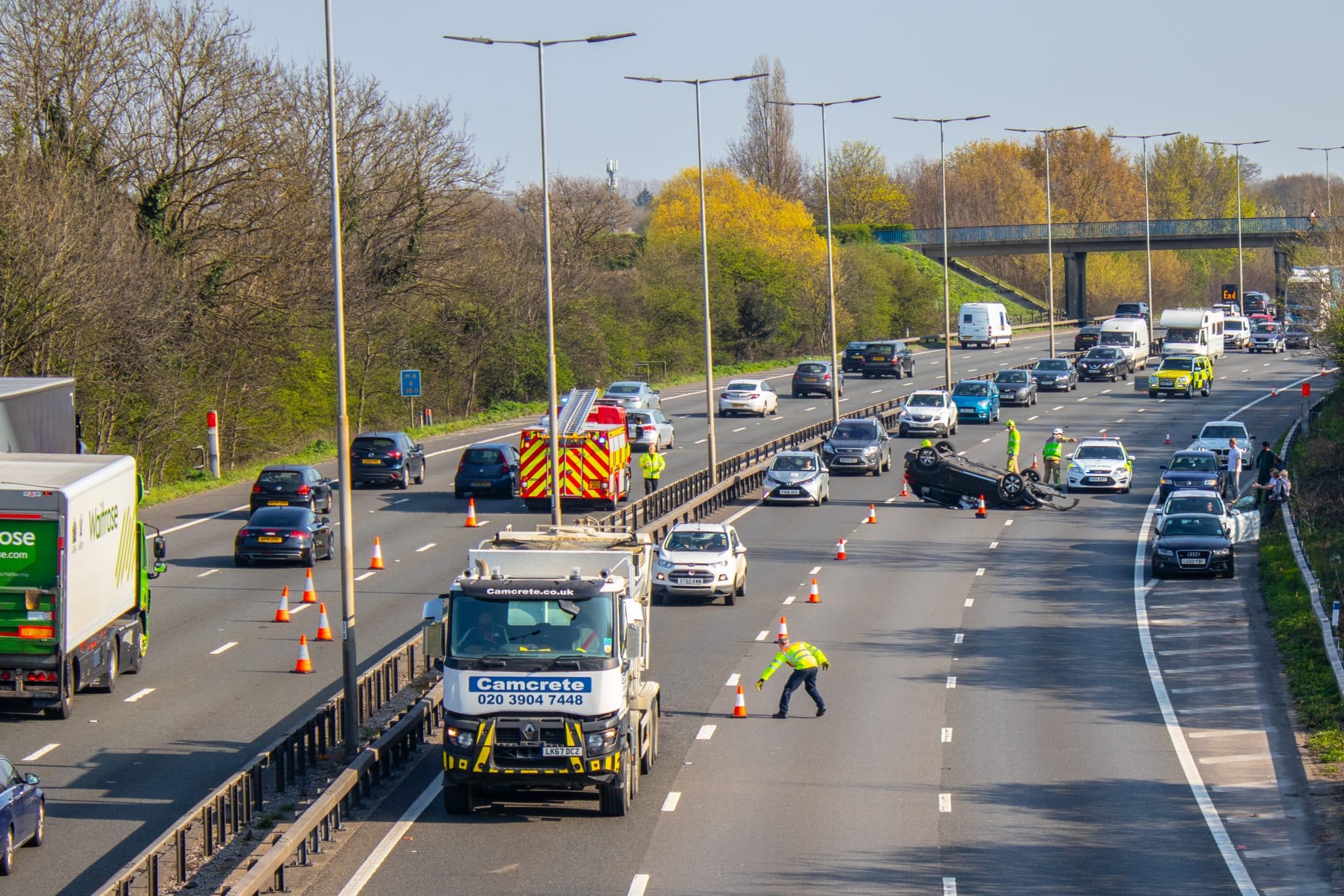
Transport Hazard Summaries
The transport hazard summaries are concise fact sheets which explain the key natural hazards that pose a risk to transport and the impacts they can have across the road, rail, aviation and maritime sectors.

Resilience in the Age of AI
Artificial Intelligence is rapidly changing the way organisations approach resilience, crisis management, and emergency planning. From predicting risks and analysing complex data to improving coordination during disruptions, AI has the potential to strengthen decision-making when it matters most.
Our latest insight paper explores how organisations can responsibly harness AI to improve resilience while maintaining trust, accountability, and human judgement at the centre of decision-making.

NCSC Exercising Page
The National Cyber Security Centre’s website provides advice and guidance, including on planning cyber exercises.
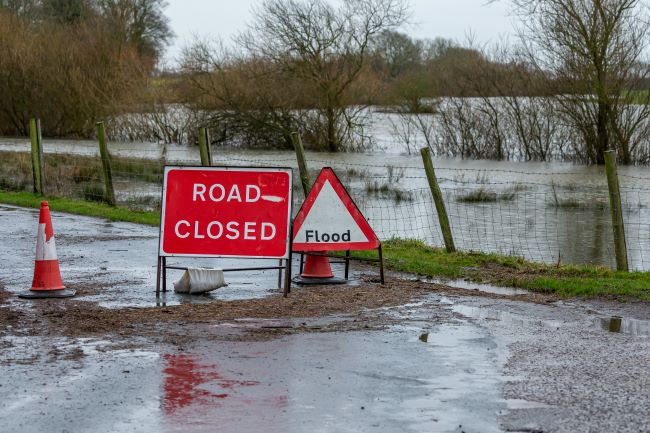
Think you’ve planned for climate risks? Think again!
Many organisations believe they’ve “covered” climate risk because they have flood response plans. But climate risk in 2026 is systemic. The third UK Climate Change Risk Assessment highlights increasing exposure to extreme heat, surface water flooding, infrastructure stress, coastal change and water scarcity. Yet business continuity plans often remain hazard-specific. Find out 5 things you need to consider in this article by our Resilience Capability Lead Bhavick Valand.

Exercise in a Box
Exercise in a Box is a free resource which helps organisations find out how resilient they are to cyber attacks and practise their response.
Societal and Community Resilience: Are They the Same Thing?
This paper by Professor Rowena Hill tackles a conceptual muddle in the resilience sector: the terms ‘societal resilience’ and ‘community resilience’ are increasingly used interchangeably, even though they mean different things – and that confusion undermines coordinated delivery of the UK’s whole-of-society approach to risk.

UKRA Joins the Resilience World Nexus Summit 2026
Resilience is no longer something organisations bolt on after the fact. It’s becoming a core part of how boards think about strategy, investment and growth – and this October, the UK Resilience Academy will be part of the conversation shaping that shift.