

Chairing Multi-Agency Incident Meetings
e-Learning + Workshop
Fundamentals of Crisis Management
e-Learning Only
Fundamentals of Multi Agency Incident Response
e-Learning Only
Leading and Coordinating Recovery Programmes
e-Learning + Workshop
Multi-Agency Media and Communications
e-Learning + Workshop
Strategic Crisis Leader (Gold)
In-person Learning
Strategic Multi-Agency Incident Response
e-Learning + Workshop
Strategic Multi-Agency Incident Response - Lite
e-Learning + Workshop
Tactical Crisis Leader (Silver)
In-person Learning
Tactical Multi-Agency Incident Response
e-Learning + Workshop
Tactical Multi-Agency Incident Response - Lite
In-person Learning
Working as a Loggist
e-Learning + Workshop
Working as a Loggist
e-Learning + Online Workshop

Resilience & Emergencies National Occupation Standards
Nationally recognised standards to define the skills, knowledge and performance expected of those working in resilience and emergency roles.

NCSC Exercising Page
The National Cyber Security Centre’s website provides advice and guidance, including on planning cyber exercises.

Exercise in a Box
Exercise in a Box is a free resource which helps organisations find out how resilient they are to cyber attacks and practise their response.

The Rapid Response Collecting Guidance
The Rapid Response Collecting Guidance has been produced by The National Archives and a group of archive sector professionals. It is there to help support archive collections staff manage the collection of tributes and spontaneous memorials, left in response to unforeseen, sudden, unpredictable, or unprecedented events.

Organisational Resilience Guidance for UK Government Departments, Agencies and ALBs
This Organisational Resilience Guidance for UK Government Departments, Agencies and ALBs is intended to support UK Government departments, agencies and Arms-Length Bodies (ALBs) in developing their resilience functions to meet the challenges and commitments set out in the 2022 UK Government Resilience Framework.

Assessing the Public Value of Societal Resilience to Disruption
This report by the National Consortium for Societal Resilience explains the investments that individuals, communities, VCFSE organisations, local/central government, and businesses make in societal resilience. It describes how investing in societal resilience helps to lessen the impacts of a disruption.
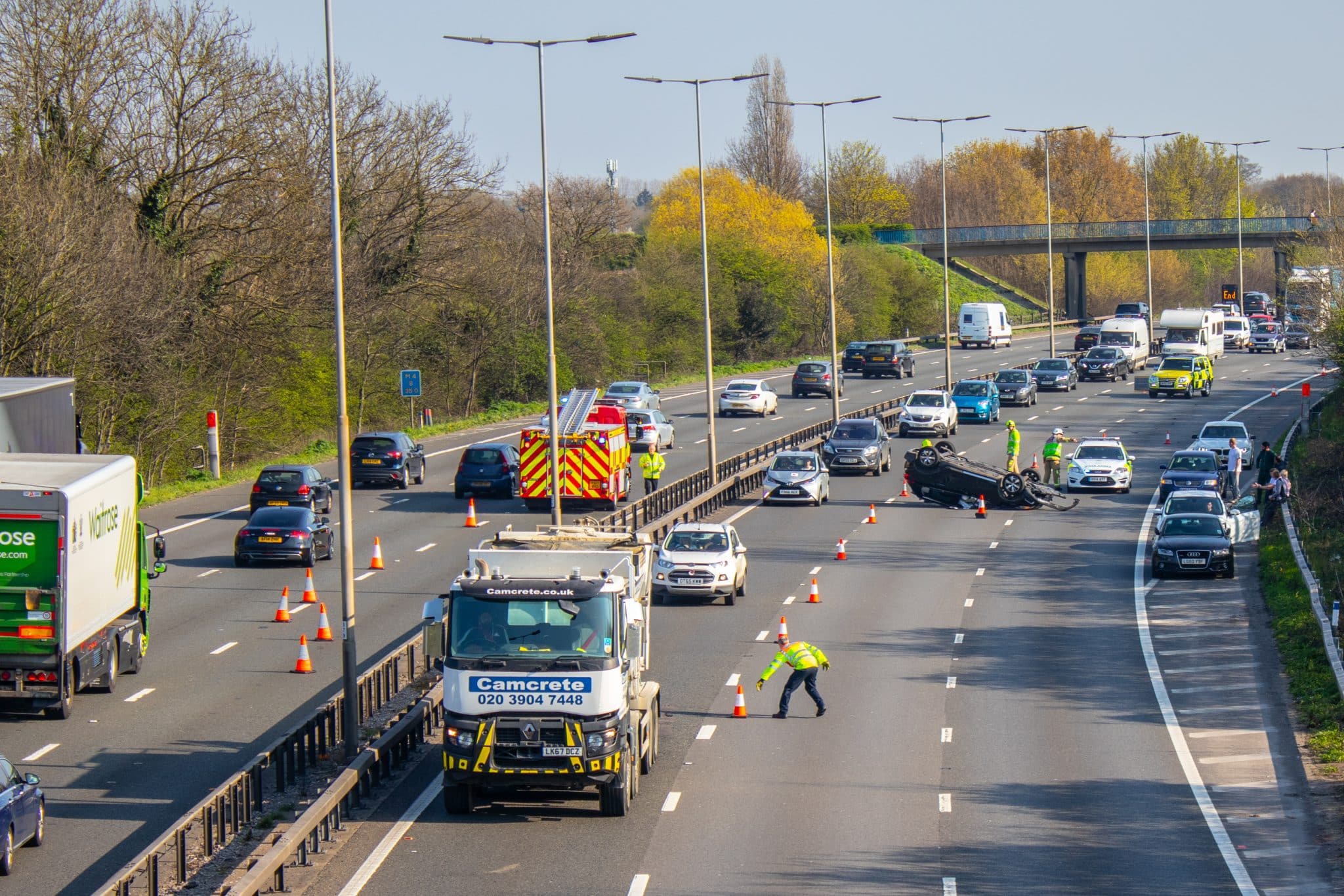
Transport Hazard Summaries
The transport hazard summaries are concise fact sheets which explain the key natural hazards that pose a risk to transport and the impacts they can have across the road, rail, aviation and maritime sectors.

Resilience in the Age of AI
Artificial Intelligence is rapidly changing the way organisations approach resilience, crisis management, and emergency planning. From predicting risks and analysing complex data to improving coordination during disruptions, AI has the potential to strengthen decision-making when it matters most.
Our latest insight paper explores how organisations can responsibly harness AI to improve resilience while maintaining trust, accountability, and human judgement at the centre of decision-making.
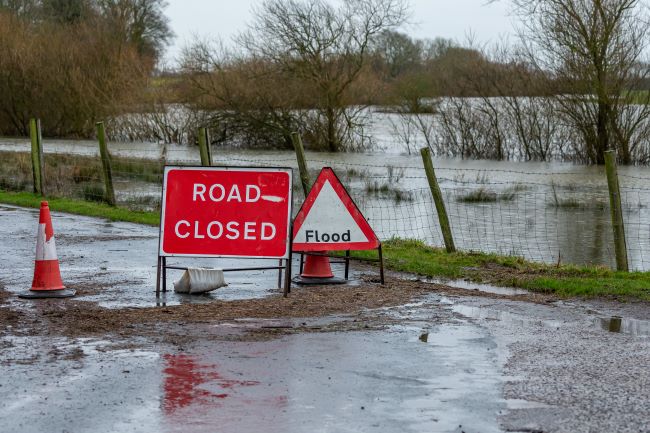
Think you’ve planned for climate risks? Think again!
Many organisations believe they’ve “covered” climate risk because they have flood response plans. But climate risk in 2026 is systemic. The third UK Climate Change Risk Assessment highlights increasing exposure to extreme heat, surface water flooding, infrastructure stress, coastal change and water scarcity. Yet business continuity plans often remain hazard-specific. Find out 5 things you need to consider in this article by our Resilience Capability Lead Bhavick Valand.

Wargaming in a Resilience Context
In our latest insight paper, we explore how modelling real consequences, resource limits, and time pressure turns an exercise from an awareness session into a genuine test of both plans and people – and sets out the formats available, from matrix games to megagames, and how to start using them.

Societal and Community Resilience: Are They the Same Thing?
This paper by Professor Rowena Hill tackles a conceptual muddle in the resilience sector: the terms ‘societal resilience’ and ‘community resilience’ are increasingly used interchangeably, even though they mean different things – and that confusion undermines coordinated delivery of the UK’s whole-of-society approach to risk.

UKRA Joins the Resilience World Nexus Summit 2026
Resilience is no longer something organisations bolt on after the fact. It’s becoming a core part of how boards think about strategy, investment and growth – and this October, the UK Resilience Academy will be part of the conversation shaping that shift.

VCSEP Exercising
VCS Emergencies Partnership’s website provides a collection of exercises, which organisations can adapt and tailor to their needs.
Exercising Best Practice Guidance
Guidance on what local planners need to consider when developing flexible plans for evacuation and shelter.
Lessons Management Best Practice Guidance
Guidance for the identification, prioritsation, implementation, and embedding of lessons from exercises and emergencies
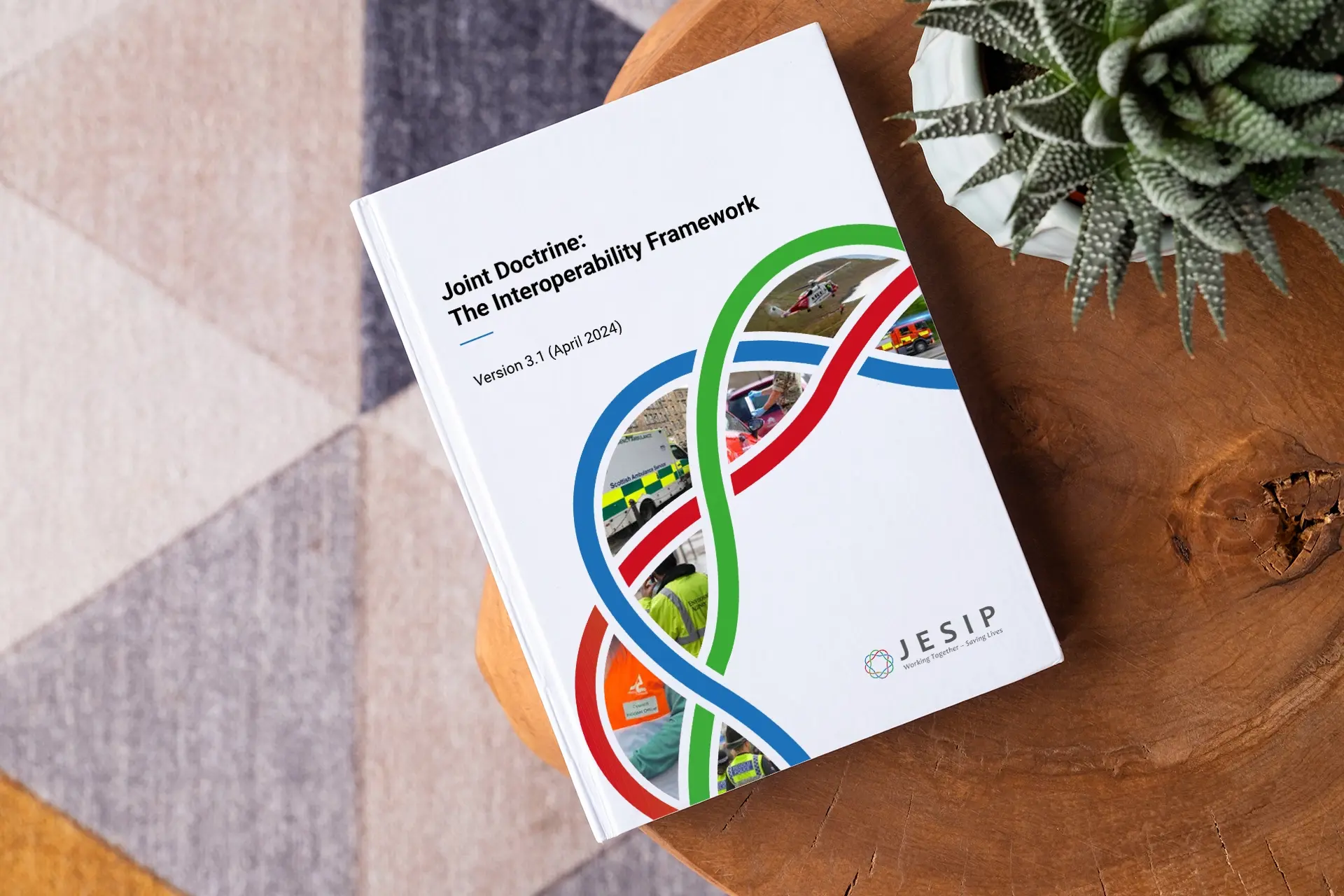
JESIP Joint Doctrine
JESIP Joint Doctrine (Edition Three) continues to provide a common way of working together to save lives and reduce harm in an emergency.

JESIP Testing & Exercising
JESIP’s (the Joint Emergency Service Interoperability Programme) Testing & Exercising page provides a range of resources including an Exercise Assurance Framework, an Umpire Evaluation Sheet and a Multi-Agency Debrief Template.
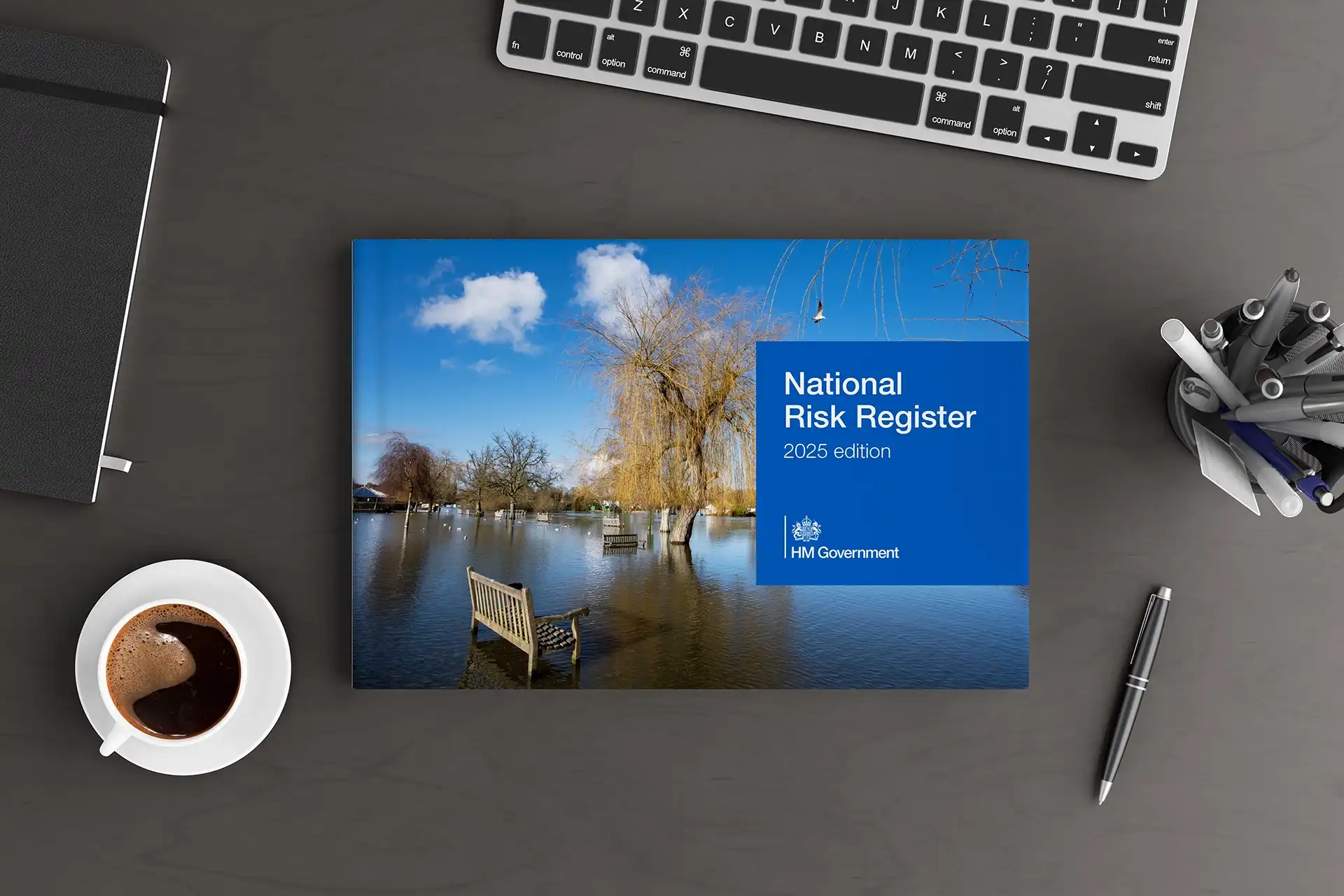
National Risk Register 2025 Edition
The National Risk Register outlines the most serious risks facing the United Kingdom.
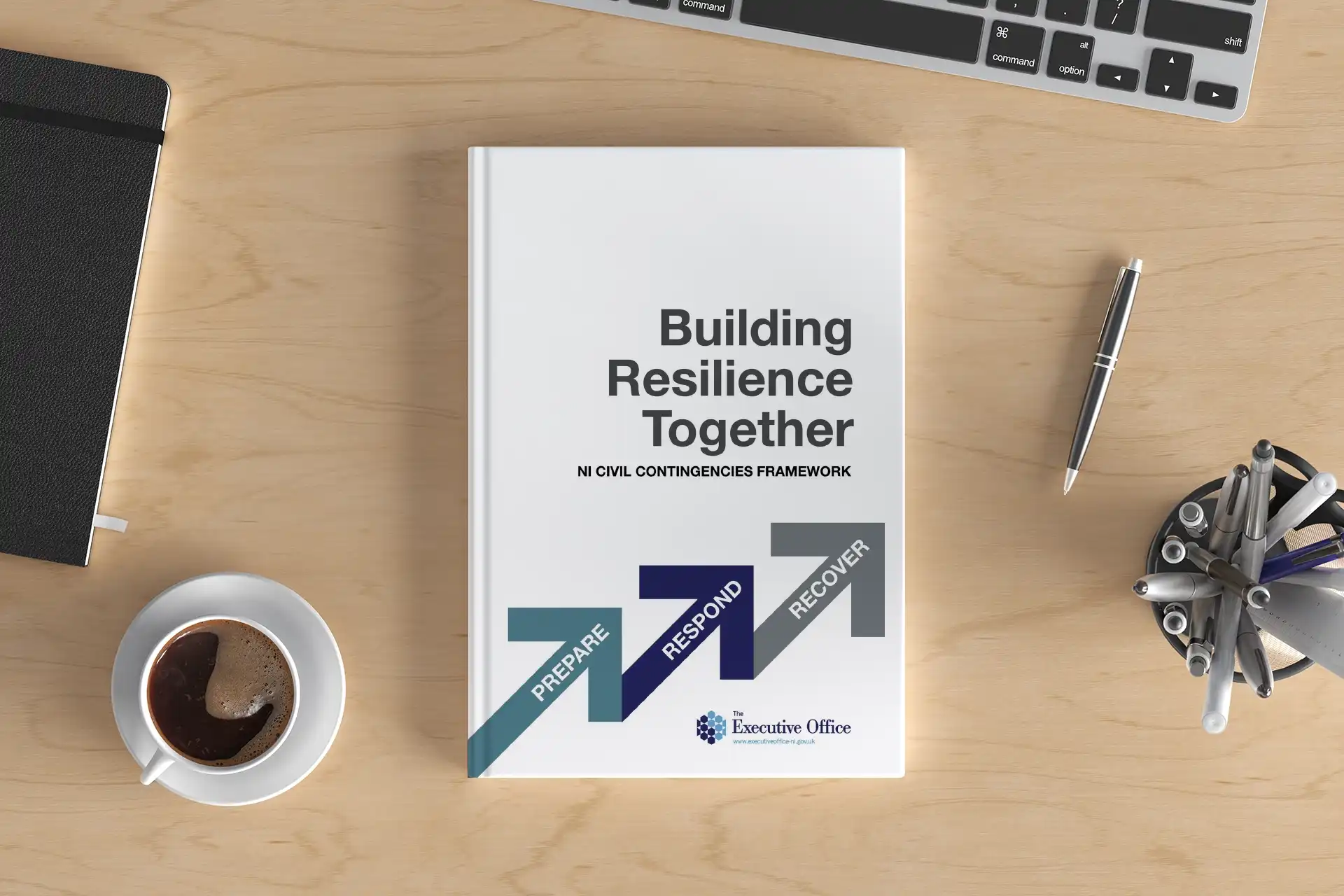
Northern Ireland Civil Contingencies Framework (Revised 2023)
The Northern Ireland (NI) Civil Contingencies Framework sets out NI arrangements for effective Emergency Management.
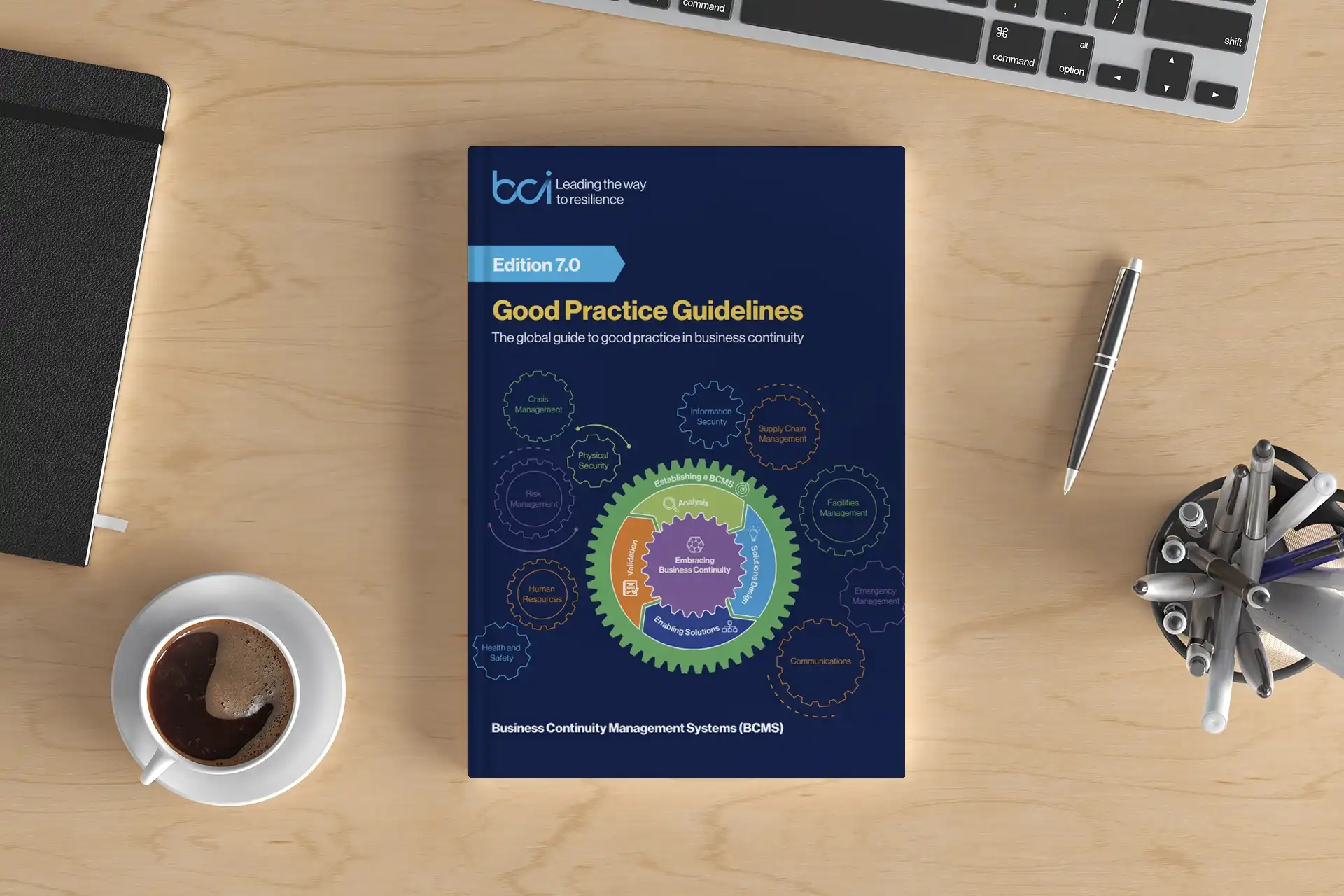
BCI Good Practice Guidelines v7.0
The latest edition of the global guide to good practice in business continuity.
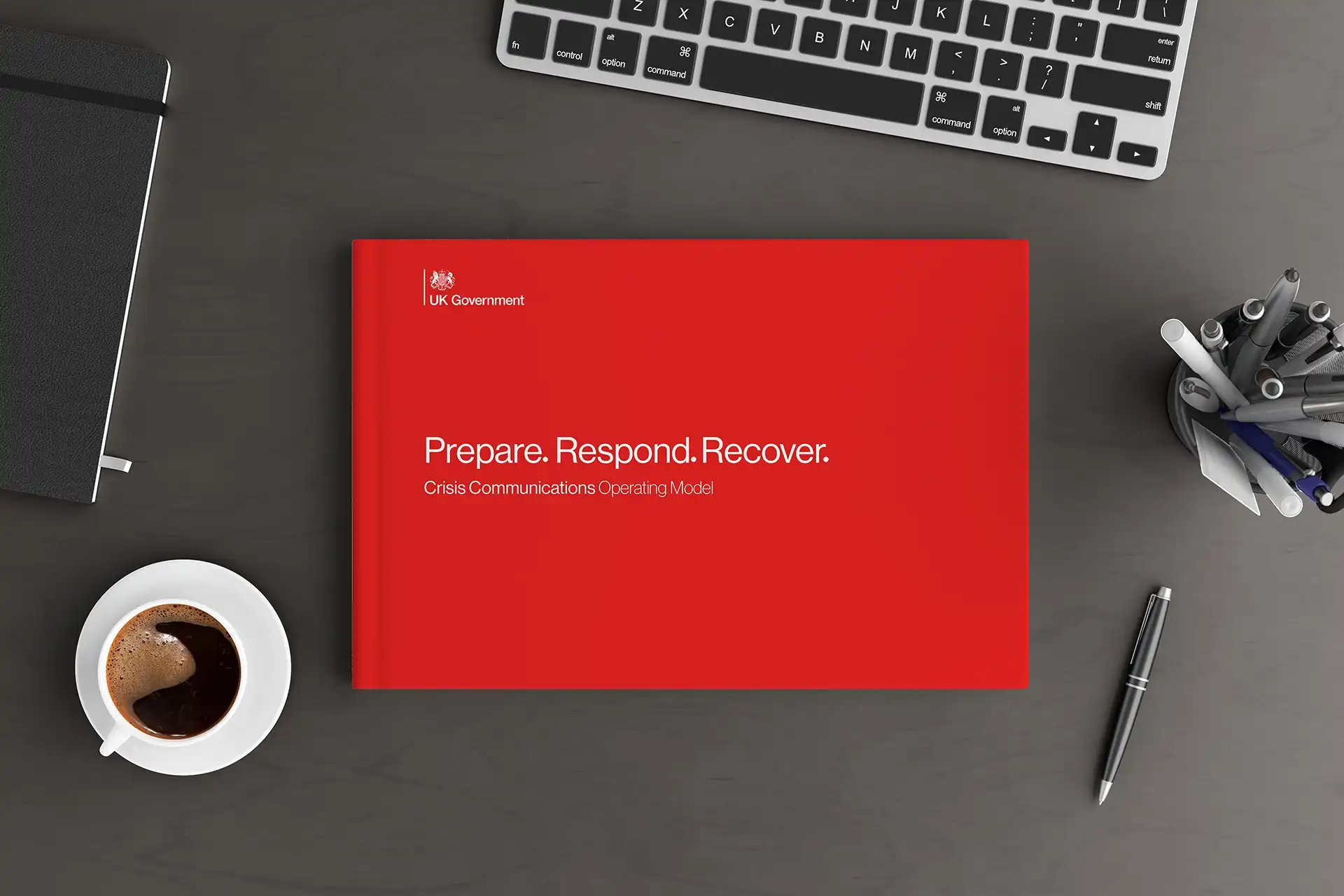
Crisis Communications Operating Model
The Governemnt Communications Service (GCS) Emergency Planning Framework.
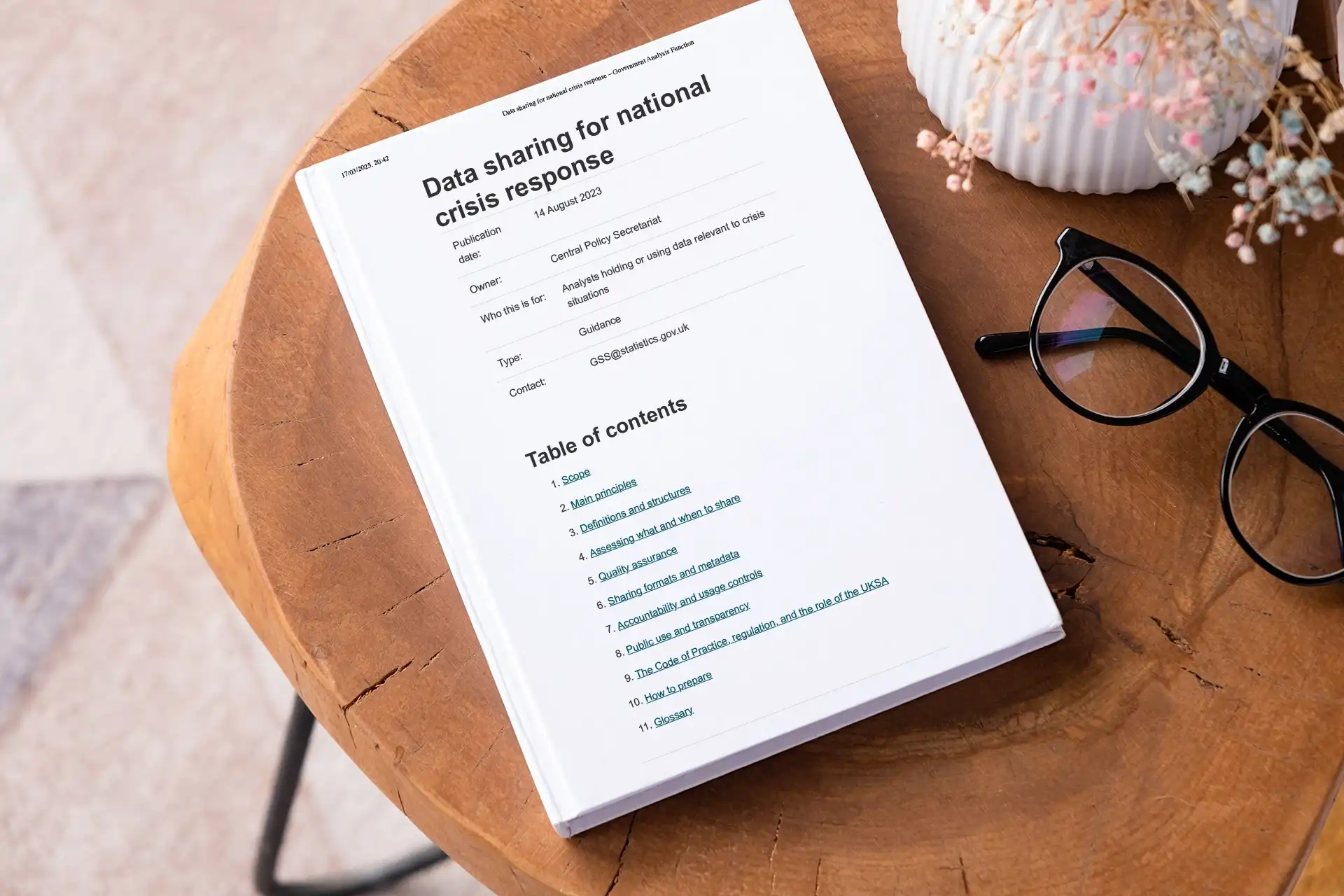
Data Sharing for National Crisis Response
Guidance on part 1 of the Civil Contingencies Act 2004, its associated regulations and non-statutory arrangements.
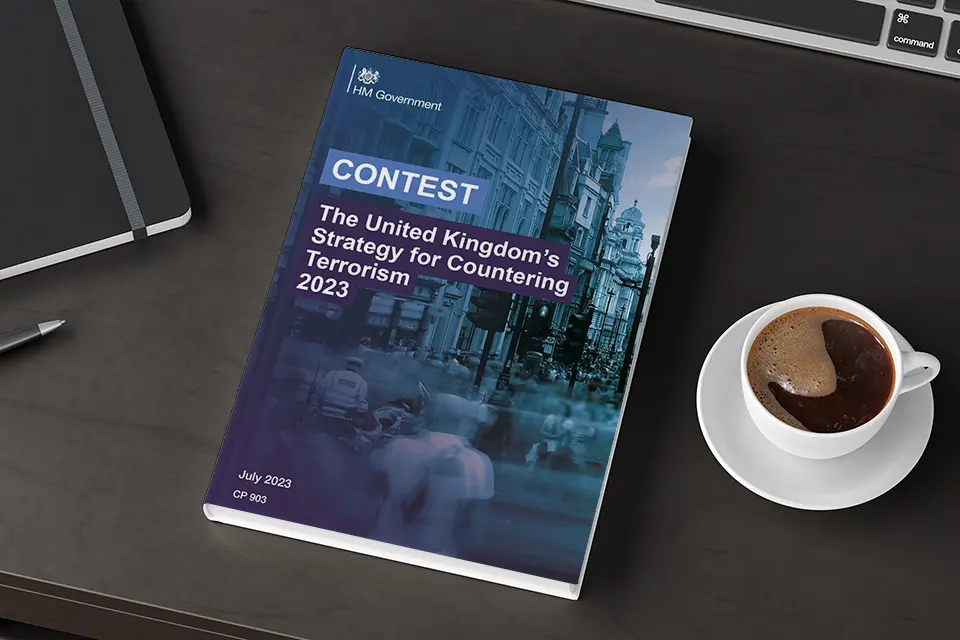
CONTEST: The UK's Strategy for Countering Terrorism
CONTEST is the UK’s counter-terrorism strategy. It’s based on 4 themes: prevent, pursue, protect and prepare.

AIDR Knowledge Hub
The Australian Disaster Resilience Knowledge Hub is an open-source platform that supports and informs policy, planning, decision making and contemporary good practice in disaster resilience.
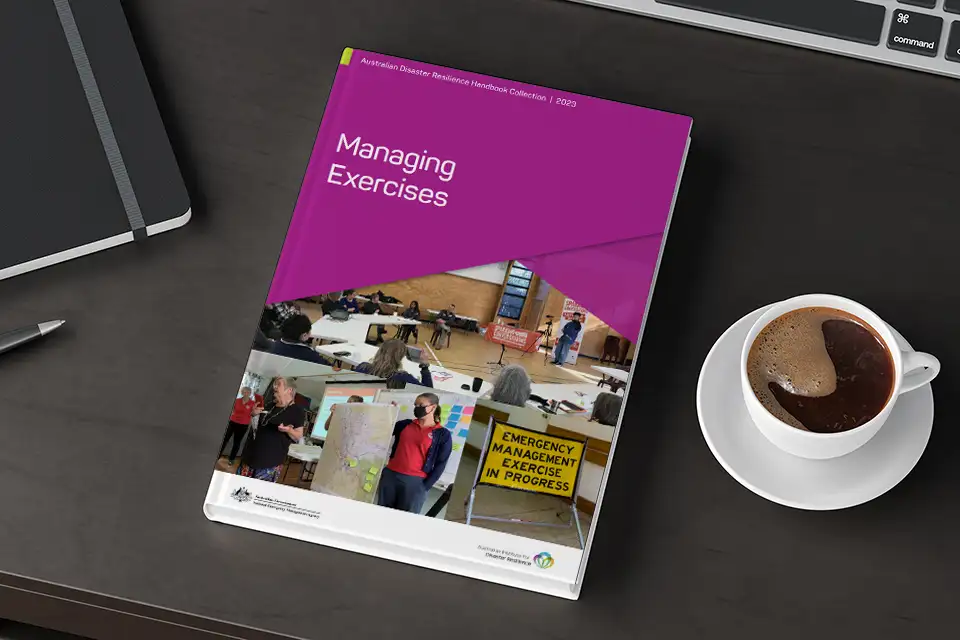
AIDR - Managing Exercises Handbook
The Managing Exercises Handbook is one of a series of handbooks on the Australian Disaster Resilience Knowledge Hub. It provides guidelines for the design, planning, conduct and evaluation of exercises.

Joint Organisational Learning
JOL (Joint Organisational Learning) Online, which is hosted on Resilience Direct, is the national repository for interoperability, national resilience lessons and notable practice across the UK.

FEMA Exercise and Preparedness Tools
The Federal Emergency Management Agency is a federal agency which helps the United States respond to and recover from disasters.
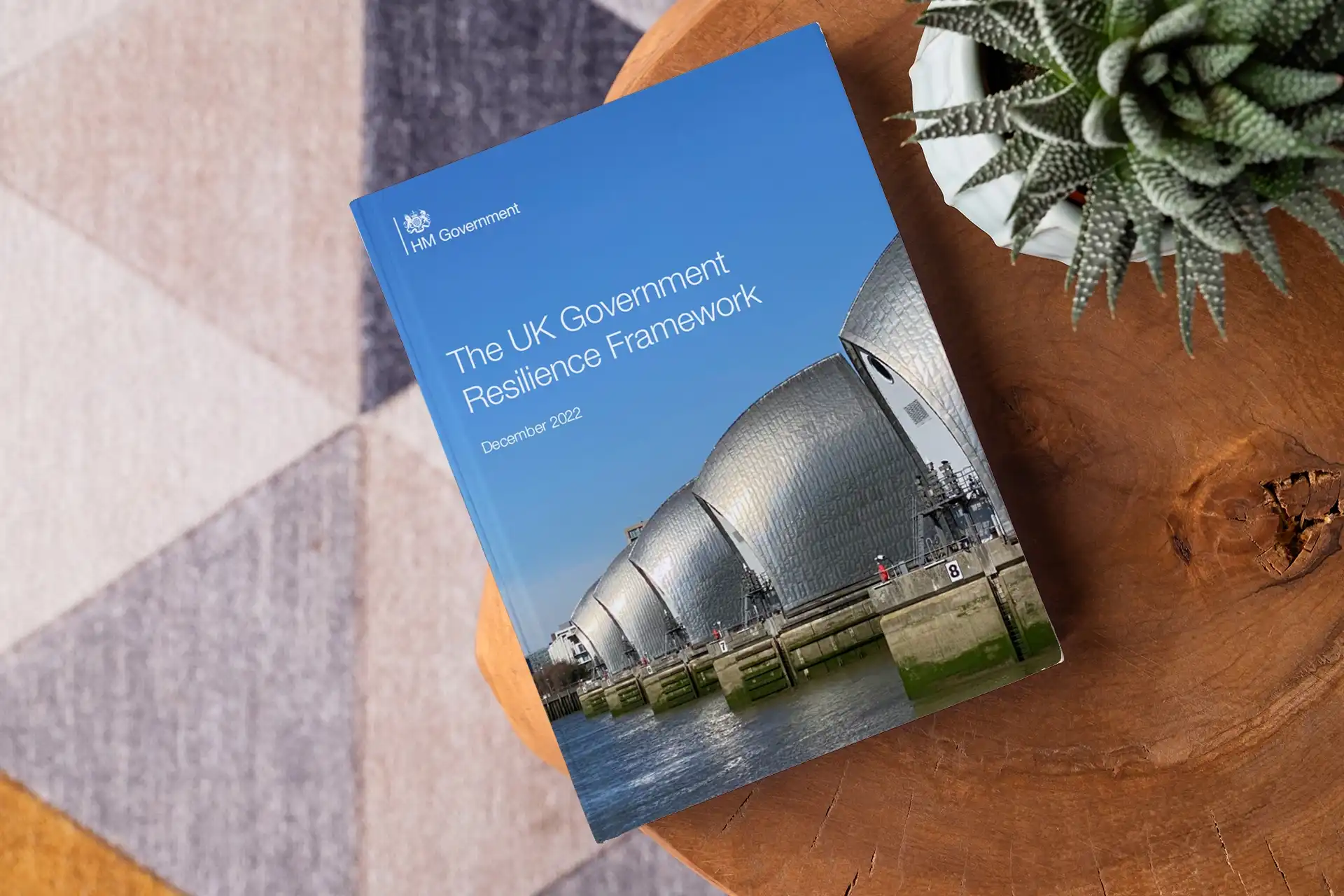
UK Government Resilience Framework
The UK Government Resilience Framework sets out how we will strengthen the systems and capabilities that support our collective resilience.
Crisis Communication: A Behavioural Approach
This guide explores how to anticipate public behaviour in a crisis.
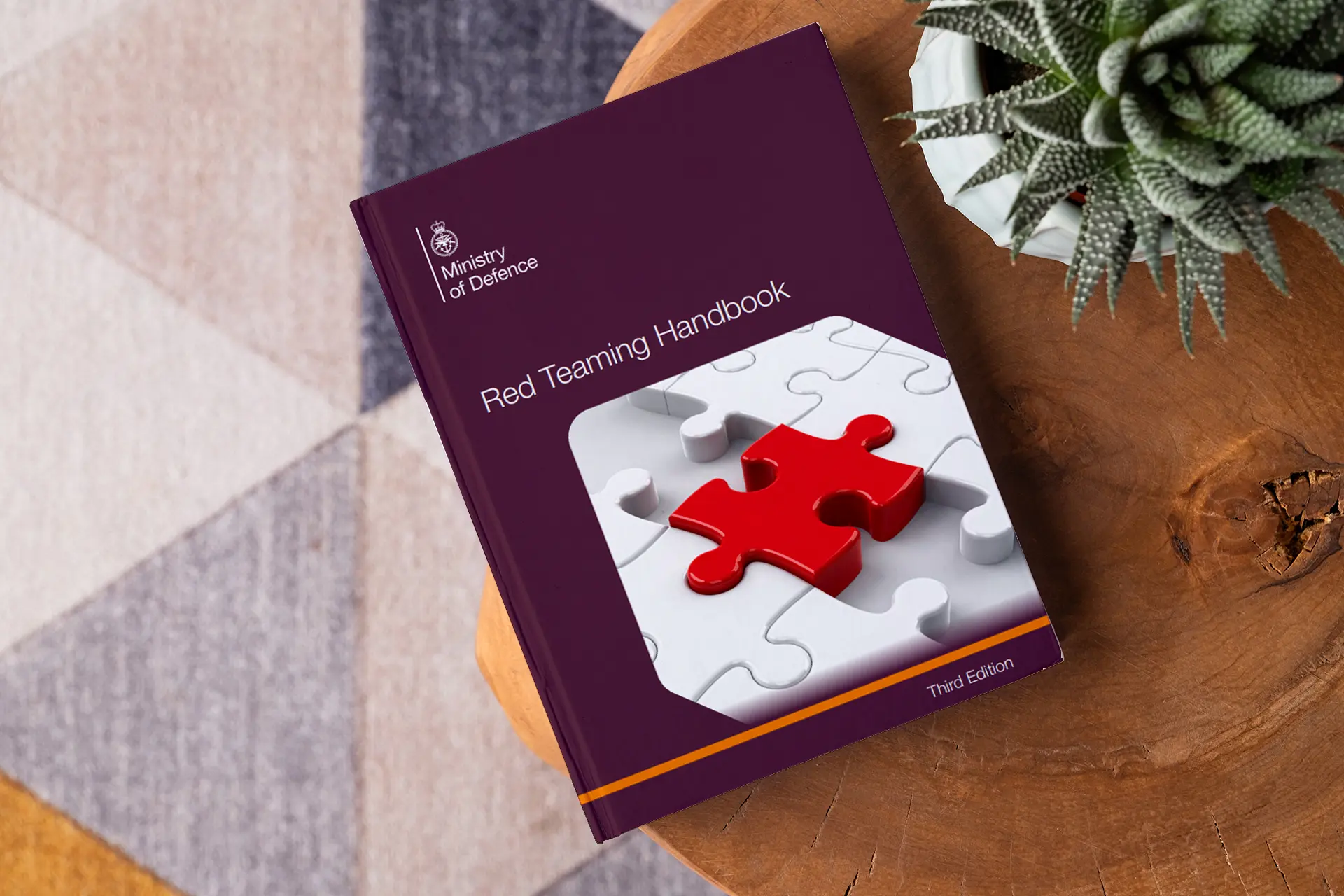
Red Teaming Handbook
A practical ‘hands on’ manual to support civilian and military audiences in the use of Red Teaming techniques
Community Resilience Development Framework
Helping emergency planners ensure communities are central to emergency planning, response and recovery.

Preparing Scotland
Preparing Scotland is a set of national guidance documents to assist Scotland in planning, responding and recovering from emergencies.

Preparing Scotland Exercising Guidance
Preparing Scotland is a set of national guidance documents to assist Scotland in planning, responding and recovering from emergencies. The purpose of this guidance is to provide a practical tool to assist in the planning, delivery and evaluation of exercises.
Emergency Planning Framework (PRIMER)
PRIMER provides a framework for crisis communications.
The Amber Book - Managing Crisis in Central Government
The Central Government’s Concept of Operations sets out the UK arrangements for responding to and recovering from emergencies.
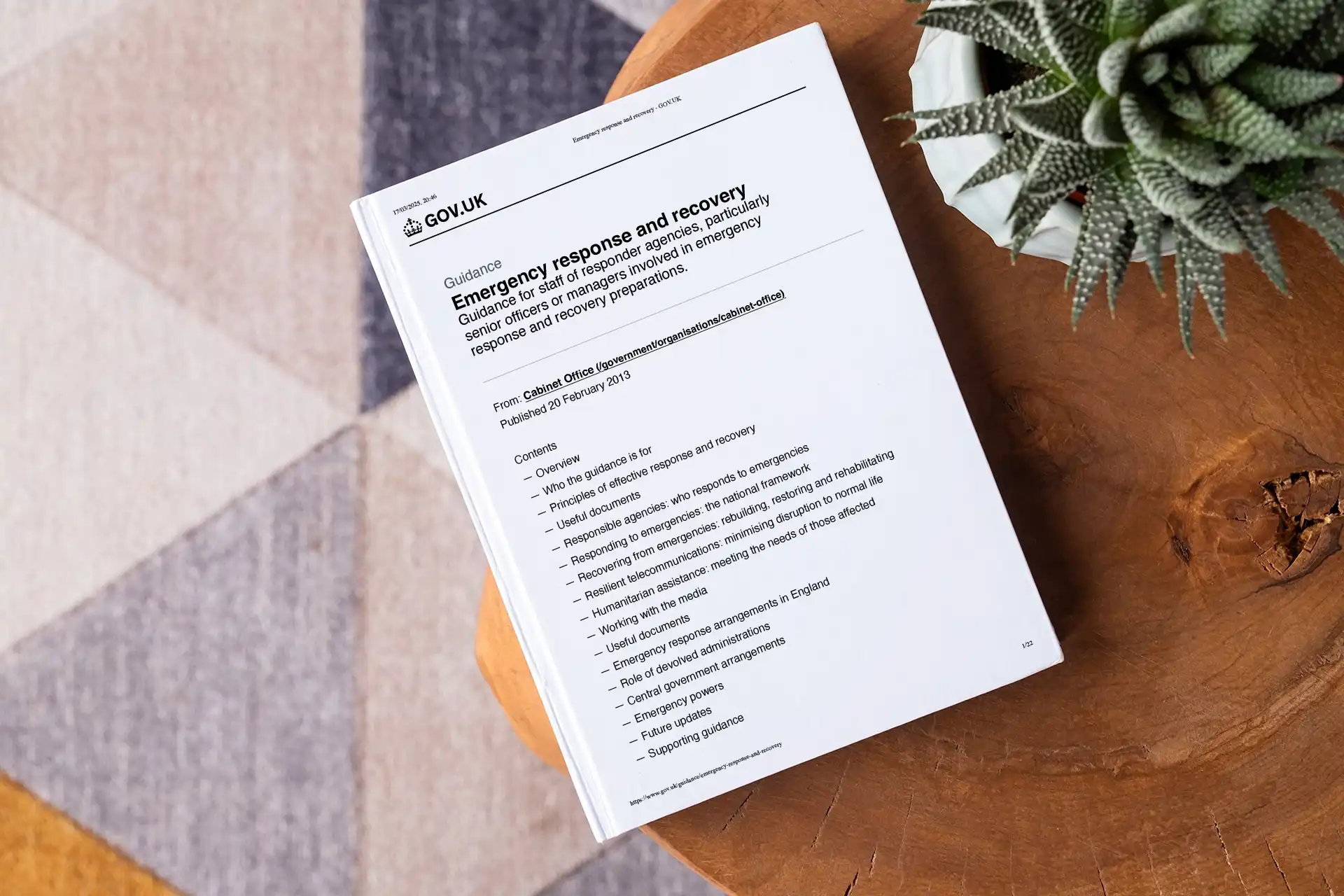
Emergency Response & Recovery
Guidance for staff of responder agencies, particularly senior officers or managers involved in emergency response and recovery preparations.
Emergency Preparedness Guidance
Guidance on part 1 of the Civil Contingencies Act 2004, its associated regulations and non-statutory arrangements.
Data Protection and Sharing: Guidance for emergency planners and responders
Guidance covering key issues relating to data protection and sharing in emergency planning, response and recovery.
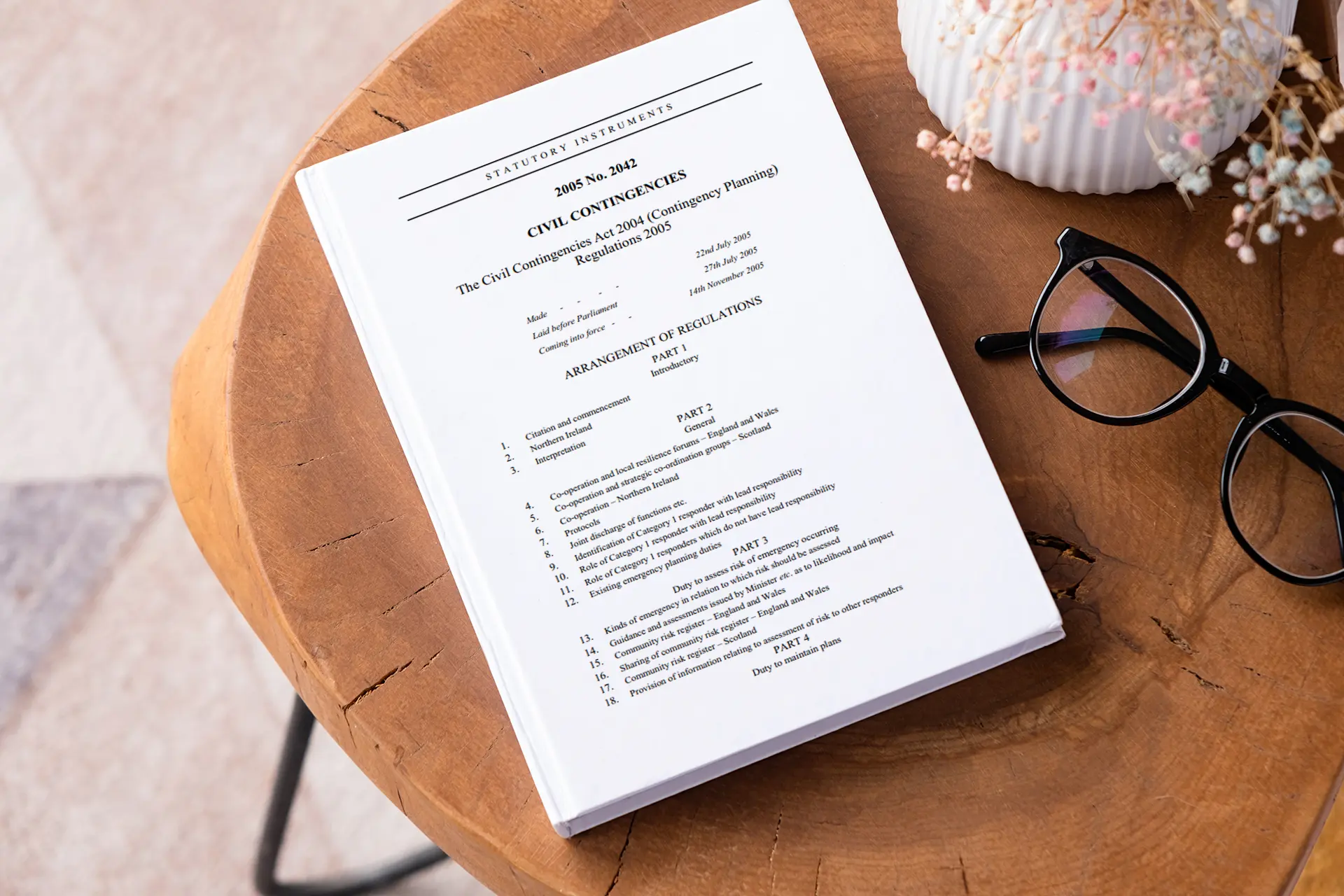
Civil Contingencies Act 2004 (Contingency Planning) Regulations 2005
The Civil Contingencies Act (2004) Regulations (2005) describe the extent of the duties imposed on organisations under the Act, and the manner in which those duties are to be performed.
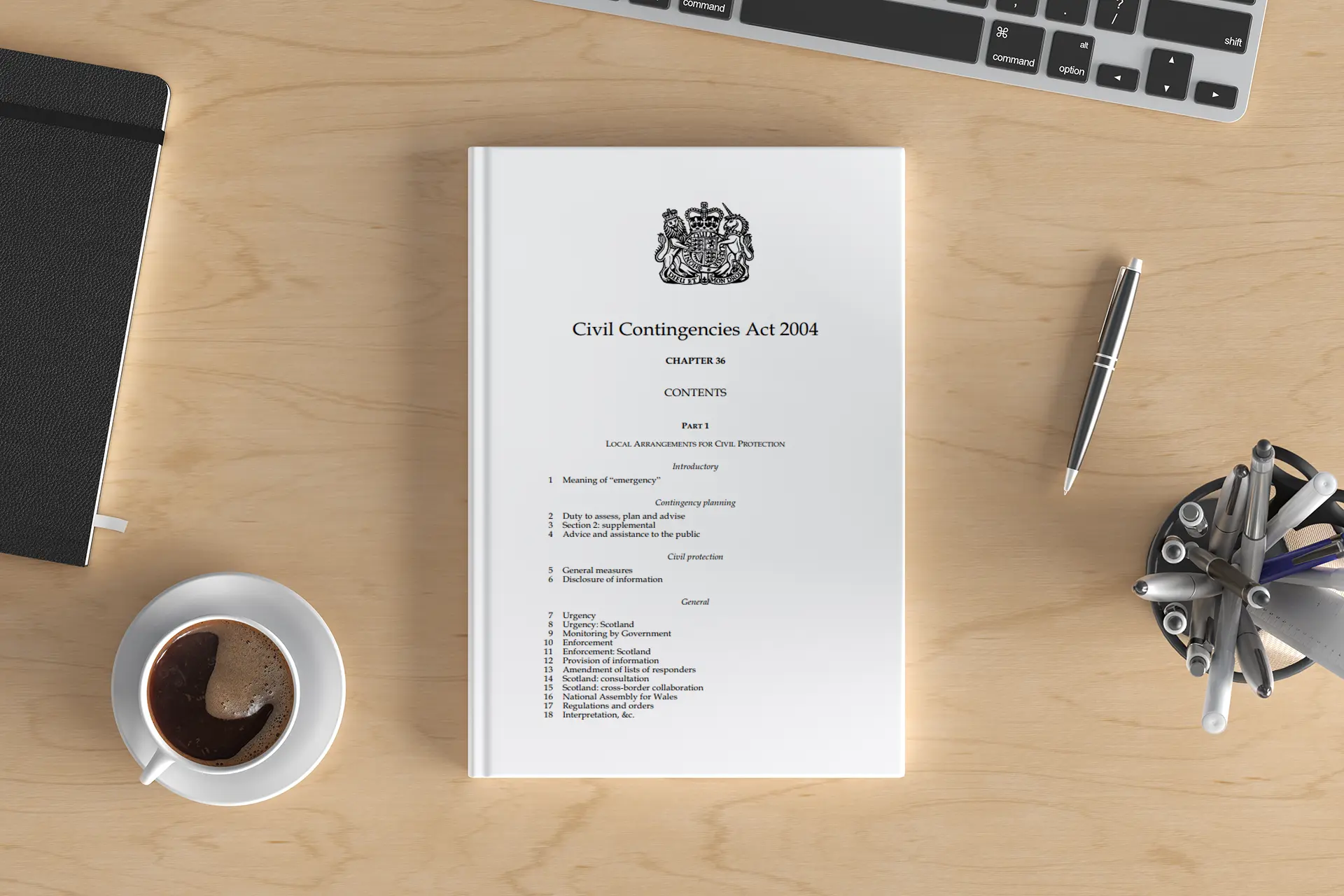
Civil Contingencies Act
The Civil Contingencies Act 2004 (CCA), and accompanying non-legislative measures, delivers a single framework for civil protection in the UK.