Climate Risk Is a Multiplier, not a Scenario.
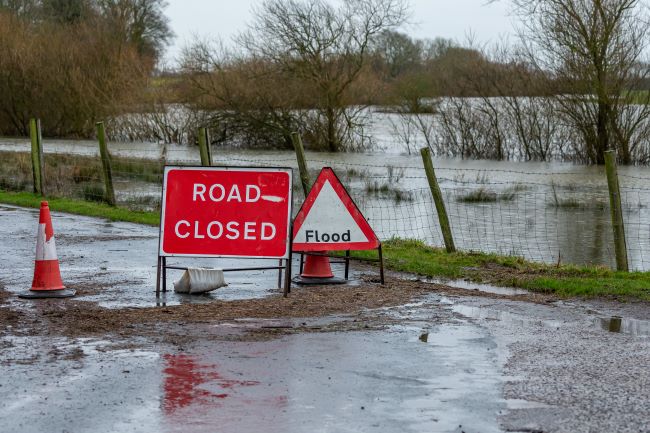
Many organisations believe they’ve “covered” climate risk because they have flood response plans. But climate risk in 2026 is systemic.
The third UK Climate Change Risk Assessment highlights increasing exposure to:
- Extreme heat
- Surface water flooding
- Infrastructure stress
- Coastal change
- Water scarcity
Yet business continuity plans often remain hazard-specific. Here are 5 things you need to consider:
1. Climate as a Risk Multiplier
Climate amplifies:
- Supply chain fragility
- Energy demand volatility
- Workforce health & safety risk
- Regulatory change
- Insurance exposure
For example UK heatwaves have forced rail speed restrictions and infrastructure shutdowns and extreme rainfall events have simultaneously disrupted roads, hospitals and utilities.
This is compound risk.
2. Why Traditional BC Planning Falls Short
Traditional BC planning assumes:
- Single hazard
- Defined incident boundary
- Short recovery window
Climate disruption:
- Is prolonged
- Is geographically wide
- Reoccurs seasonally
- Interacts with other risks
ISO 22301 requires organisations to consider the “context of the organisation”, which increasingly includes environmental exposure.
Climate must sit within strategic risk management, not just emergency response.
3. Operational Impacts Organisations Underestimate
- IT server cooling strain during heatwaves
- Increased absenteeism during extreme temperatures
- Insurance premiums and exclusions
- Energy supply instability
- Transport infrastructure degradation
Climate resilience is not ESG reporting. It’s operational continuity.
4. What Mature Climate Resilience Looks Like
Resilient organisations now:
✔ Conduct geographic risk mapping of suppliers
✔ Stress-test multi-day utility loss
✔ Build adaptive capacity into estates strategy
✔ Align climate data with risk appetite
✔ Integrate climate into exercising programmes
They move from reactive recovery to proactive adaptation.
5. The Strategic Question
Climate risk will not return to a historical baseline.
Resilience maturity now means planning for volatility as normal.
The organisations that thrive will be those that adapt early.
Conclusion
If climate disruption is treated as an environmental issue, resilience will lag.
If it is treated as a systemic operational risk, resilience capability grows.
At the UK Resilience Academy, we help organisations embed climate resilience into organisational resilience frameworks, not as an add-on, but as a core capability.
When did your organisation last stress-test a multi-day heatwave scenario combined with IT strain and workforce absence?
Find out how we can help you, contact us today.

Article written by Bhavick Valand, Resilience Capability Lead for Organisational Resilience.